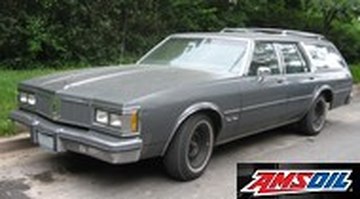
Maintenance and Lubrication for the 1980 Oldsmobile CUSTOM CRUISER 5.7L Diesel
Owning a diesel-powered vehicle from this era requires a dedicated approach to routine service and fluid management. The 1980 Oldsmobile CUSTOM CRUISER, equipped with the 5.7L diesel engine, relies on consistent maintenance to ensure long-term operational stability. Because diesel engines operate under different mechanical stresses than gasoline counterparts, paying close attention to lubrication quality and system integrity is a fundamental part of ownership.
Monitoring Fluid Integrity and Condition
Regularly checking the condition of your engine oil is one of the most effective ways to monitor the health of the 5.7L diesel engine. Rather than just checking the level, an observant owner should look for changes in the lubricant's appearance or consistency. While diesel oil naturally darkens more quickly than gasoline-engine oil due to the nature of diesel combustion, significant changes in texture or unexpected odors can be important indicators.
If you notice a change in how the oil looks on the dipstick, it warrants further investigation. For example, an unusual milky appearance might suggest that coolant has entered the lubrication system, while an extremely thin consistency could indicate fuel dilution. Such observations do not definitively diagnose a specific part failure, but they serve as vital early warning signs that a professional inspection may be necessary to prevent more significant issues.
System Inspections and Component Care
A proactive maintenance strategy involves looking beyond the oil itself to the components surrounding the engine. For a vehicle of this age, periodic visual inspections can help identify potential issues before they escalate. When performing routine checks under the hood, consider the following areas:
- Sealing Surfaces: Inspect various gaskets and seals for signs of seepage or active leakage. Even small amounts of moisture around sealing surfaces should be noted to track whether a leak is stable or increasing.
- Hoses and Connections: If present, examine engine hoses for signs of hardening, cracking, or bulging. Ensure that all electrical connections and wiring harnesses appear secure and free from excessive corrosion.
- Drive Components: If equipped, inspect accessible drive belts for evidence of glazing, fraying, or surface cracking.
- Cooling System: Look for any visible signs of coolant leakage around the radiator or connection points, as maintaining proper thermal management is essential for diesel engine longevity.
By combining these visual checks with regular fluid monitoring, you can establish a clearer picture of the vehicle's current mechanical state.
Managing Long-Term Engine Health
As vehicles age, maintenance priorities often shift from simple part replacement to condition-based management. For the 1980 Oldsmobile CUSTOM CRUISER, this means using the actual condition of components rather than just the calendar year to decide when service is required. If you do not have a complete service history for the vehicle, your first priority should be establishing a maintenance baseline.
This involves documenting every oil change, filter replacement, and significant repair. Once you have a record of how the engine behaves under regular use, you can more easily identify deviations from the norm. For instance, if you know the engine has historically consumed a certain amount of oil between services, a sudden increase in consumption becomes much easier to detect. Keeping detailed records allows you to distinguish between normal aging and actual mechanical concerns, helping you prioritize repairs that address active leaks or emerging warning signs.
Understanding Lubrication Requirements
The lubrication system is central to the operation of any diesel engine. The oil must be capable of managing the heat generated during combustion while providing a protective barrier for moving parts. While many modern lubricants offer advanced features, it is vital to select products that are appropriate for the specific requirements of an older diesel application.
Some high-mileage oil formulations contain additives intended for use in aging engines. These may include seal-conditioning additives designed to help maintain the flexibility of various gaskets and seals. When selecting a lubricant, consider whether a conventional, synthetic blend, or full synthetic oil is most suitable based on your driving habits and the current condition of the engine. However, regardless of the oil type chosen, the most critical factor remains matching the product to the specific application details provided for this vehicle.
Observing Potential Warning Signs
Drivers should remain attentive to how the 5.7L diesel engine behaves during operation. While many symptoms can be caused by a variety of different factors, certain changes in vehicle behavior should never be ignored. If you notice unusual mechanical noises that were not previously present, or if you observe unexpected exhaust smoke, these are indicators that the engine's operating environment has changed.
An oil pressure warning light is a critical signal that requires immediate attention. Similarly, any noticeable increase in lubricant consumption between scheduled checks should be investigated. It is important to remember that a single symptom, such as an odor or a minor leak, does not automatically point to one specific failed component; rather, these signs serve as prompts to perform a more thorough inspection of the engine and its supporting systems.
Practical Advice for Buying Engine Oil for your 1980 Oldsmobile CUSTOM CRUISER 5.7L
When it is time to replenish your engine's lubrication, avoid making assumptions based solely on the age of the vehicle or general automotive trends. The most reliable way to ensure you are using the correct product is to match the oil to the application-specific viscosity and requirements already displayed on this webpage. Before finalizing your purchase, always check the product labeling to verify that the oil meets the necessary quality standards for a diesel engine.
Whether you decide to use a conventional oil or explore high-mileage formulations with seal-conditioning properties, ensure the selection aligns with the technical information provided in this application's database. By following the specific guidance listed on this page, you can select a lubricant that is appropriate for the unique needs of your 5.7L diesel engine.